

Discover Ho Chi Minh Mausoleum: A Journey to the Roots and Reverence in the Heart of Hanoi
Introduction: A Pristine Morning by Ba Dinh Square
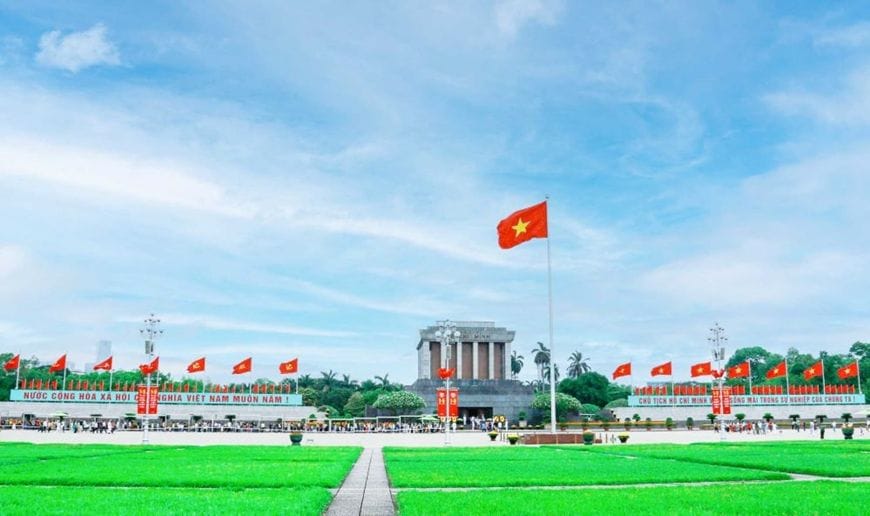
Perhaps, there is no experience more unforgettable than standing in the vast Ba Dinh Square on an autumn day in Hanoi. A gentle breeze, golden sunlight like poured honey, and in the distance, Ho Chi Minh Mausoleum appears majestic and solemn. My steps slowly advanced into the mausoleum area, my heart filled with both emotion and pride. This place is not only a spiritual destination but also an immortal symbol of the national spirit.
Thousands of people from all corners of the country, from elderly with silver hair to young children, lined up orderly and solemnly. The atmosphere was silent yet unusually warm – it was the respect for a great leader. I thought to myself, this visit would surely be a profound memory in my life.
Architecture and Sacred Space
Ho Chi Minh Mausoleum was built from 1973 to 1975, using the most modern materials and techniques of its time, yet still imbued with traditional East Asian architectural characteristics. The structure consists of three levels: the lower level houses the embalmed body, the middle level is the ceremonial platform, and the top level is adorned with the words "Chủ tịch Hồ Chí Minh" (President Ho Chi Minh) in precious stones. Viewed from afar, the mausoleum resembles a giant lotus – a noble symbol of the Vietnamese people.

Stepping inside, the space was so quiet that only the soft sound of footsteps on the red carpet could be heard. Gentle light shone through the glass windows, creating an atmosphere that was both solemn and intimate. Security guards and guides were always present, reminding everyone to maintain order and refrain from taking photos, to preserve the sanctity of Uncle Ho's final resting place.
Journey into the Mausoleum and Moments of Reflection
As the procession of people passed through the mausoleum's entrance, I distinctly felt a shift in emotions. From the warm sunlight outside, stepping into the cool space, my heart beat faster. Two rows of guards stood motionless like statues, guarding Uncle Ho's eternal sleep. I witnessed the sacred moment: Uncle Ho lay there, benevolent, serene, as if in a long dream, with hair as white as clouds and a gentle smile.

Only a few minutes, but time seemed to stand still. Everyone silently offered their reverence. Some had tears in their eyes, some clasped their hands in prayer. I, too, couldn't hold back my emotions – it was a moment that touched the heart of every child of Vietnam. Leaving the mausoleum, I felt an unusual sense of lightness and peace.
Exploring the Historical Complex Around Ho Chi Minh Mausoleum
After visiting the Mausoleum, I explored the prominent sites within the same complex. First was Uncle Ho's Stilt House – where Uncle Ho lived and worked from 1958 to 1969. The small, simple house stood amidst a lush green garden, a fish pond, and pebble pathways. I imagined Uncle Ho exercising, reading newspapers, and working under the trees every morning.
Next was the Ho Chi Minh Museum – a modern building housing thousands of artifacts and documents about the life and career of President Ho Chi Minh. I eagerly viewed each photograph and documentary film, gaining a deeper appreciation for the great man who dedicated his entire life to national independence. Finally, one cannot miss One Pillar Pagoda – an ancient pagoda with unique lotus-shaped architecture, located next to the mausoleum complex. This is a long-standing spiritual and cultural symbol of Hanoi.
Notes for a Complete Visit
To ensure a smooth visit to Ho Chi Minh Mausoleum, you need to keep a few things in mind. Firstly, the Mausoleum is open from 7:30 AM to 10:30 AM on Tuesdays, Thursdays, Saturdays, and Sundays (it is usually closed for maintenance in October-November). You should arrive early to queue, and dress politely and discreetly. Do not bring cameras or phones inside the mausoleum (free lockers are available). Maintain absolute order, do not talk loudly or point.

You should also combine your visit with the surrounding historical complex for a meaningful day. Especially if you visit during major holidays like September 2nd or May 19th, the atmosphere here becomes even more solemn and sacred. Comfortable shoes, drinking water (to be consumed before entering the mausoleum), and a respectful heart are all you need.
Conclusion: A Memorable Journey in the Heart of Hanoi
Leaving Ho Chi Minh Mausoleum, I carried an indescribable mix of emotions in my heart. It was not just a visit, but a pilgrimage to the roots, to gratitude and national pride. Uncle Ho's simple yet great images will forever be etched in my mind. If you have the opportunity to visit Hanoi, be sure to come to Ho Chi Minh Mausoleum at least once, to fully feel the love for the country and the most sacred values. That trip will undoubtedly be an unforgettable mark on your journey to discover Vietnam.